Taming the Kitchen Chaos: The Transition from Paper KOT chits to Digital KDS Screens
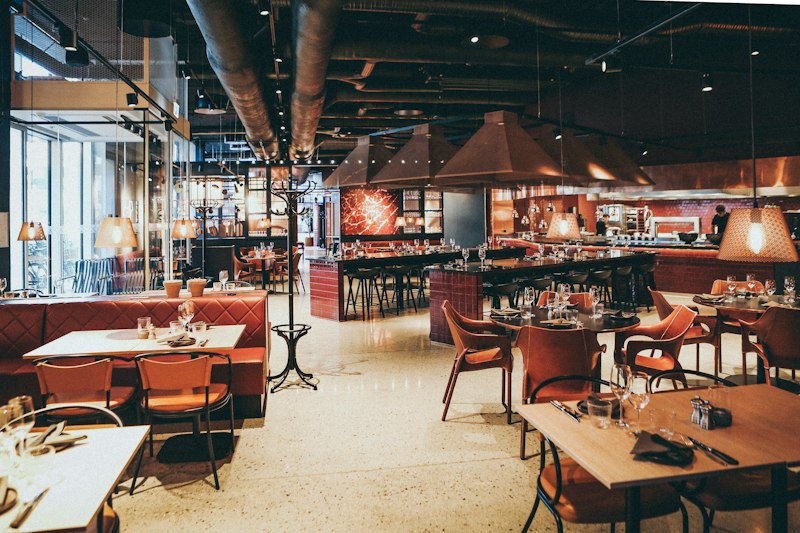
If you have ever stood near a busy cafe kitchen counter during a Sunday morning rush, you have heard the symphony of chaos: the aggressive click-clack of a thermal receipt printer spit out paper Kitchen Order Tickets (KOTs), chefs shouting modifications across the grill, and waitstaff sorting through piles of paper slips to figure out which table gets the blueberry pancakes.
While paper chits have served the restaurant industry for decades, they represent a significant point of failure in a fast-paced environment. They get wet, they get lost, they slide behind the counter, and most importantly, they collect no metrics.
The KDS Solution: Digital Order Routing
A Kitchen Display System (KDS) replaces physical paper chits with a networked television or tablet screen mounted in the food preparation area. When a guest orders via QR or a captain logs it on a hand-held device, the order appears instantly on the KDS screen, categorized by preparation section (e.g., Beverage Bar, Grill, Bakery).
“Digital KDS routing reduces average kitchen prep times by up to 40% simply by organizing line cooks into clear, color-coded checklists.”
Color-Coded Status and Prep Metrics
With paper tickets, chefs have no automatic way of knowing how long a table has been waiting. A KDS changes this by introducing dynamic status indicators. A ticket might show green for the first 5 minutes, turn amber as it approaches 10 minutes, and flash red once it exceeds the target preparation time. This visual urgency prompts kitchen managers to redistribute resources to bottleneck sections immediately.
Furthermore, a digital KDS logs every click: when the order was received, when preparation began, and when it was marked ready for handoff. These timestamps roll directly into the CafeOS analytics panel, allowing cafe owners to identify which staff shifts or menu items are introducing bottlenecks.